


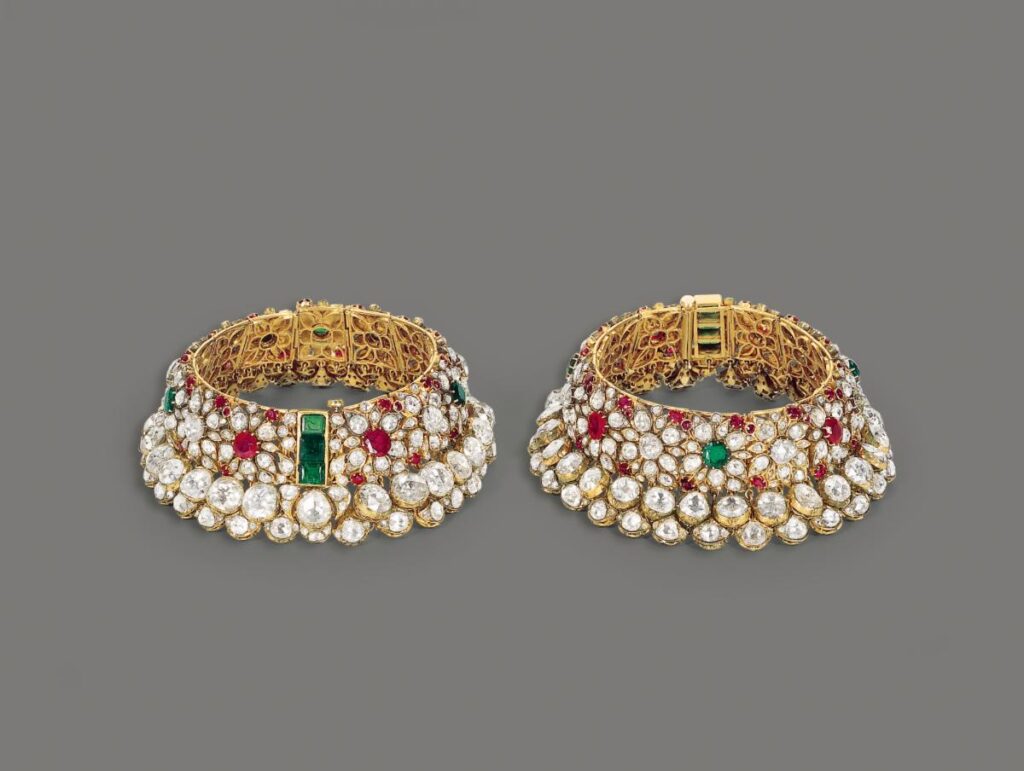
Singapore: On the third day of 41st World Diamond Congress, on July 15, distinguished jewellery historian and author, Dr. Usha Balakrishnan, of Mumbai, India, will be presenting a lecture entitled “Golconda and Ancient Diamonds – A Historical Perspective. ”
“For nearly 2,000 years, every diamond the world had ever seen came from a mystical land, now known as India. These were stones that crowned kings, financed empires, crossed deserts and seas, and entered the great treasuries of the world. Within this vast span of history, one source emerged – Golconda – the most legendary source of all – renowned for diamonds of exceptional purity, coveted for their luminosity and revered for their prestige,” Dr. Balakrishnan noted.
In this session, moderated by luxury journalist and author Richa Goyal Sikri, Dr. Balakrishnan will trace that remarkable history, separating enduring legend from documented record. She will demonstrate why India’s ancient diamonds remain the ultimate benchmark of provenance and prestige, and why the story of these stones continues to shape our understanding of rarity, value, and desire. “Diamonds become historic not because they shine, but because they carry the weight of time, place, power, and memory, ” Balakrishnan said.
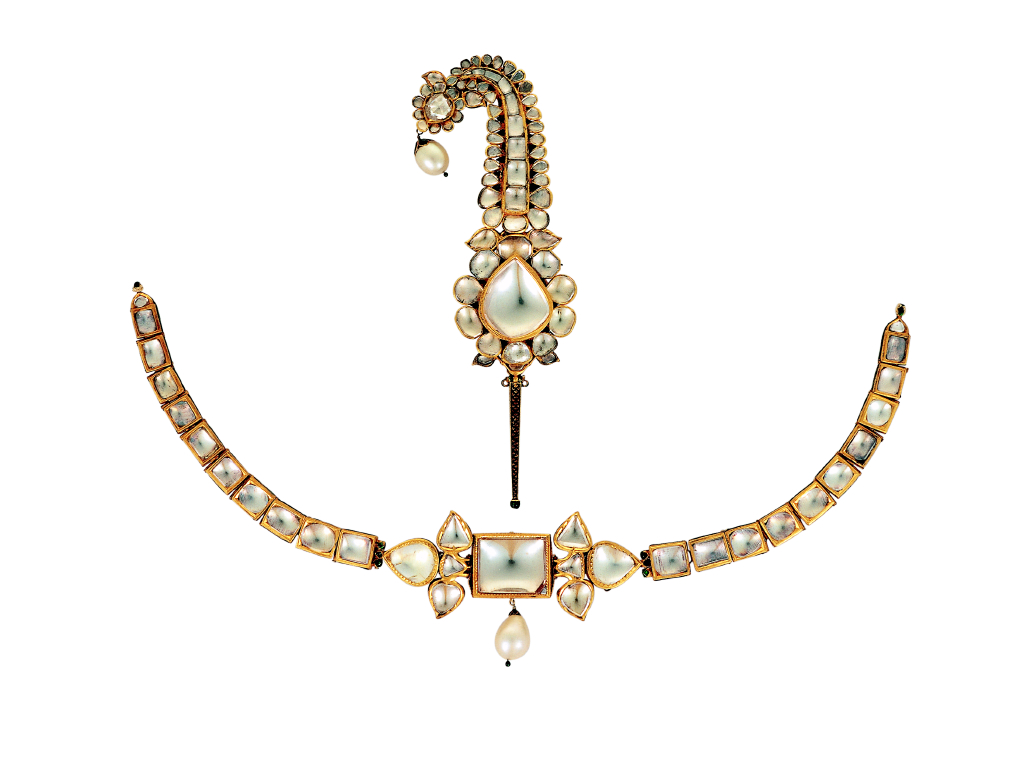
Drawing on ancient texts, travelogues, histories, and celebrated stones, this session will reveal how diamonds acquire meaning beyond beauty -when nature, history, and human imagination converge. Was the Orlov diamond actually stolen from a temple? And Golconda, what did it mean then? And what does it mean now?
Richa Goyal emphasised that to understand our present and secure our future, we must go back in time to learn from our human history. “The tendency is to focus on the colonial period because of the overwhelming visual grandeur of European royalty or the 20th century, and the jewels that remain as their ambassadors in museums and vintage jewellery collections. I believe, to gain a deeper understanding of human desires as they relate to precious stones, we need to delve deeper and study pre-colonial history and the origins of global trade. This is what led me to curate this session with Dr Usha Balakrishnan, one of the foremost jewellery historians of our time.”