

Mumbai (By Suresh Chotai): India’s platinum jewellery sector delivered a strong performance in 2025, supported by robust consumer demand, innovative product lines, and the metal’s attractive pricing compared to gold. Despite global headwinds and periodic market volatility, domestic retail sales and exports recorded healthy growth, positioning platinum as a compelling choice for modern Indian consumers.
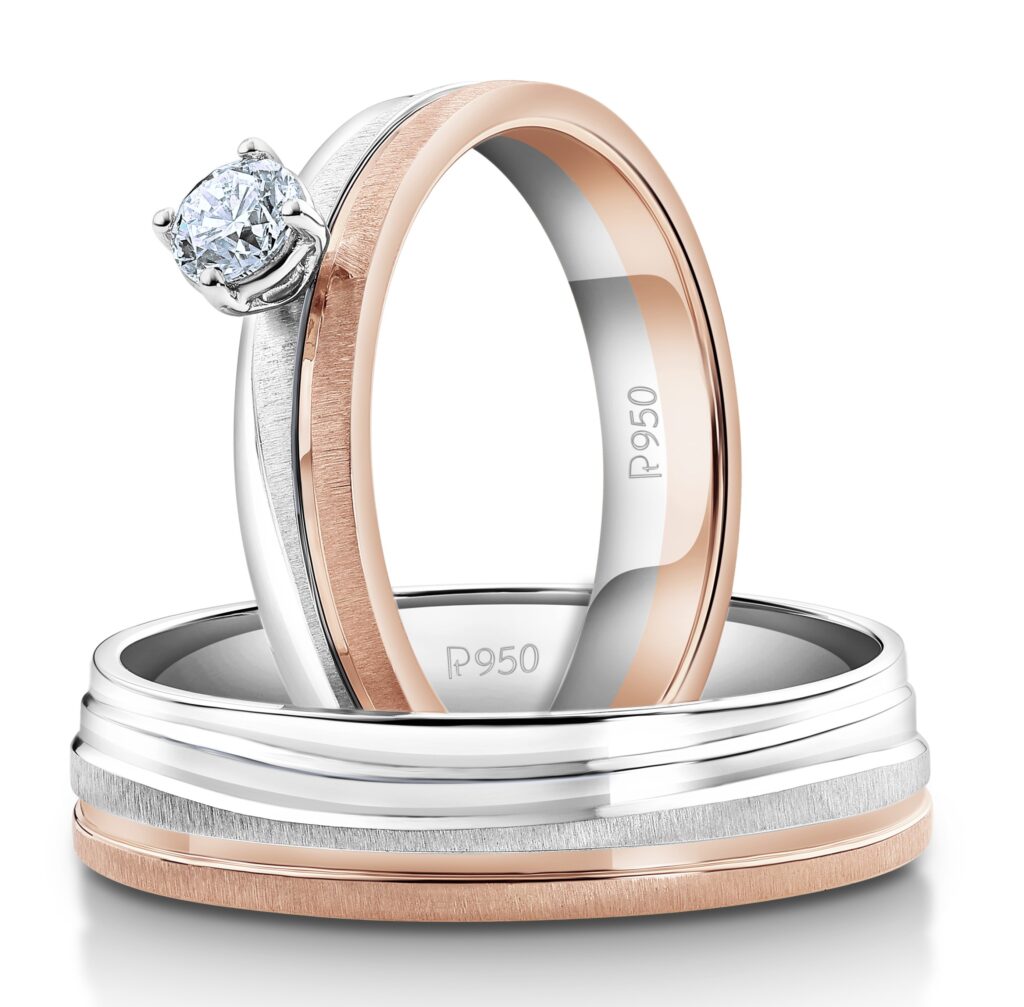
According to industry estimates, platinum jewellery demand in India grew by 10 t0 12% in 2025, outperforming traditional expectations. The rise was driven significantly by the growing popularity of men’s platinum jewellery—particularly chains, bracelets, and utility-based everyday wear—as well as the increasing trend of bi-metal designs that blend platinum with gold. High and volatile gold prices also played a crucial role in shifting consumers toward platinum, especially in the commitment and wedding ring categories.
Exports of platinum jewellery from India saw strong momentum in the first half of the year, expanding by nearly 30% year-on-year between April and October. Although global fabrication levels showed temporary softening in some quarters, the Indian market remained resilient and agile, adapting rapidly to supply changes and evolving consumer preferences.
Industry Voices:
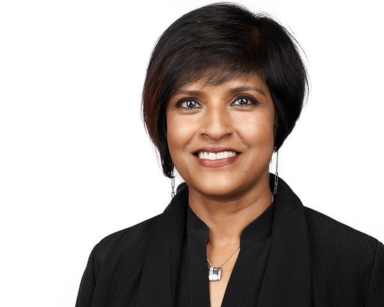
Ms. Vaishali Banerjee, Head of Global Market Development and Managing Director – India & Middle East, Platinum Guild International (PGI) said, “On the ground in India, platinum jewellery continues to show sustained momentum. Across PGI India’s key strategic retail partners, the category tracked double-digit growth in 2025, with year-to-date retail sales (as of December 2025) up around 10–12%. This performance reflects a sharper, consumer-centric approach, supported by strong retail programmes.
“The 2025 price environment has made consumers more deliberate about value. With precious metal prices seeing sharp moves, younger consumers are increasingly seeking pieces that deliver both emotional and rational value, along with meaningful differentiation. In 2026, we see that this cohort will continue to seek jewellery that offers trusted value – by way of steady growth, assured quality, and elevated design.
“Against this backdrop, platinum will continue to stand out. At current prices, propelled by its rarity, purity and strength, platinum can offer substantive weight at more accessible price points. Design innovations such as bi-metal pieces are also emerging as an attractive gateway into platinum jewellery.
“Driven by these tailwinds, our 2026 outlook remains positive. We see a multi-year, double-digit growth opportunity for platinum jewellery in India,” she added.
Commenting on the sector’s performance, a senior industry leader noted, “Platinum has transitioned from a niche luxury product to a contemporary everyday metal for the aspirational Indian consumer. Its relative price advantage over gold and the rise of men’s jewellery are transforming the domestic landscape.”
Another market analyst adds, “The innovation in design—particularly bi-metal offerings—has brought younger consumers into the platinum category. With lifestyle-driven demand rising, platinum jewellery has carved out a strong identity in India.”
Outlook for 2026:
Industry forecasts indicate that India may experience moderated or marginally lower platinum jewellery demand in 2026, in line with global projections. The World Platinum Investment Council (WPIC) anticipates a slight contraction in global jewellery demand, with India’s offtake expected to stabilize at levels below the elevated peaks of 2025. Market factors influencing the 2026 outlook include:
- Import restrictions on select platinum jewellery categories, extended until April 2026, likely impacting availability and pricing.
- Continued strength in platinum’s industrial demand globally, supporting prices but potentially increasing the cost base for jewellers.
- Possible economic softening and reduced discretionary spending affecting jewellery purchasing cycles.
- Normalization of global demand after platinum outperformed other precious metals in 2025.
Yet, the long-term fundamentals for the Indian market remain strongly positive. Platinum continues to benefit from design innovation, aspirational consumer trends, and its positioning as a modern luxury metal. The men’s category and premium gifting segment are poised to remain important drivers through 2026.
Forward-Looking Statements:
Despite expected moderation, platinum will remain one of the most dynamic categories in Indian jewellery retail. The consumer mindset is shifting toward individuality and understated elegance—exactly where platinum excels.
While 2025 marked a standout year for platinum jewellery in India, 2026 is set to bring a more balanced phase of growth. With strong brand positioning, innovative collections, and rising acceptance among younger demographics, the platinum category remains an integral part of the evolving Indian precious jewellery ecosystem.