


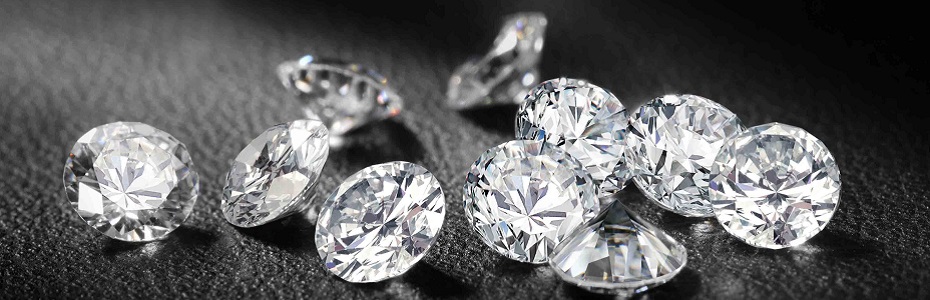
Mumbai: Israel’s once-prominent diamond industry is facing one of the most difficult periods in its history, with veteran traders reportedly leaving the business and searching for alternative livelihoods. A recent report by Ynetnews has highlighted the depth of the crisis at the Israel Diamond Exchange in Ramat Gan, traditionally one of the world’s important diamond trading centres.
According to veteran dealers quoted in the report, around 50% of traders at the exchange have already left and many offices are now closed. Some former diamond merchants have reportedly become money changers, taxi drivers or even greengrocers. One 55-year-old dealer, who had built a successful business selling high-value fancy diamonds to Asian markets, said he was living on his savings and preparing to close his company after years of losses.
The decline is reflected in Israel’s trade figures. Israel’s gross polished diamond exports fell from about $8.5 billion in 2023 to $6 billion in 2024, while the volume declined from 2.30 million carats to 2.35 million carats. By 2025, polished diamond exports had fallen further to approximately $4.1 billion, according to industry statistics compiled by diamond analyst Edahn Golan.
Israel’s Central Bureau of Statistics also reported that total diamond exports in 2024 fell 21.9% to NIS 20.6 billion, while diamond imports declined 30.2% to NIS 11.3 billion.
Several forces are behind the deterioration. China’s economic slowdown and weaker consumer demand have severely affected one of the traditional markets for Israeli diamonds. At the same time, increased competition and abundant supply from major cutting and trading centres, particularly India, have put additional pressure on prices and margins.
The rapid expansion of lab-grown diamonds is another major concern. Veteran Israeli dealers argue that the industry underestimated the impact of offering consumers a visually and chemically similar product at dramatically lower prices. The subsequent steep decline in lab-grown prices has also contributed to uncertainty about the long-term value of diamonds generally.
The Israeli industry is also facing pressure from the US market, which is particularly important for Israeli diamond exporters. The Bank of Israel reported that Israeli diamond exports declined sharply during the second half of 2025, falling to only around 30% of their level in the first half of the year. It also noted that the domestic value added of the diamond industry is relatively low, averaging about 4.5% during 2021–2025.
However, it would be premature to declare that Israel’s diamond industry has completely collapsed. Israel remains an important centre for high-value diamond trading, and diamonds and precious stones continue to form part of the country’s exports. What is unmistakable is the dramatic contraction of the traditional trading model.
The story of veteran dealers becoming taxi drivers is therefore more than a striking headline. It symbolizes the structural transformation of an industry that once offered exceptional opportunities to generations of Israeli traders. The challenge now is whether Israel can reinvent its diamond sector around high-value stones, technology, traceability, branding and specialized international trading—or watch an important part of its commercial heritage steadily disappear.