

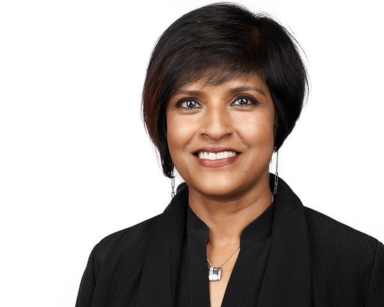
Ms. Vaishali Banerjee; Head of Global Market Development and Managing Director-India & Middle East (ME), Platinum Guild International (PGI) speaks to Gems2Jewellery.com and highlights some of the issues about the platinum growth in India.
How would you assess the current state of platinum jewellery demand in India?
V.B.: Platinum jewellery demand in India is growing steadily, and is in an encouraging phase. What we are seeing is not just isolated growth around specific occasions, but a broader strengthening of the category across consumer segments, formats and markets.
Over the last few years, platinum jewellery has sustained double-digit growth in India, with men’s jewellery emerging as one of the strongest growth engines. Platinum Love Bands continue to be a powerful entry point by units, while Men of Platinum is contributing very meaningfully by volume. During Akshaya Tritiya 2026, platinum delivered strong double-digit volume growth of approximately 12 to 14 percent over last year, which reflects both the strength of the category and the effectiveness of retail activation.
The most important shift is that platinum is no longer desired only in metro markets or only for traditional milestone purchases. Demand is expanding across metros, Tier 1, Tier 2 and Tier 3 markets, led by younger consumers who are looking for jewellery that reflects meaning, modern design and long-term value.
Despite economic uncertainties, platinum continues to attract consumers. What factors are driving this resilience?
V.B.: The resilience comes from a combination of emotional, rational and market factors.
Platinum is largely bought for meaningful occasions, such as commitment, self-reward, personal milestones and gifting. These are not purely impulse-led purchases. They are emotionally significant, which makes the category relatively more resilient even when the macro environment is uncertain.
At the same time, platinum offers consumers a strong value proposition. Its rarity, purity, strength and enduring appeal make it a precious metal with a very distinct identity. The current price advantage versus gold has also acted as a tailwind, especially in a market where consumers are increasingly conscious of value but do not want to compromise on preciousness or aspiration.
Another important factor is the younger consumer. This cohort is more design-conscious, more digitally influenced and more open to jewellery as a form of self-expression. For them, platinum’s meaning, rarity and modernity are highly relevant.
What are PGI’s key strategies to accelerate platinum jewellery demand in India over the next three to five years?
V.B.: Our strategy will focus on five clear levers.
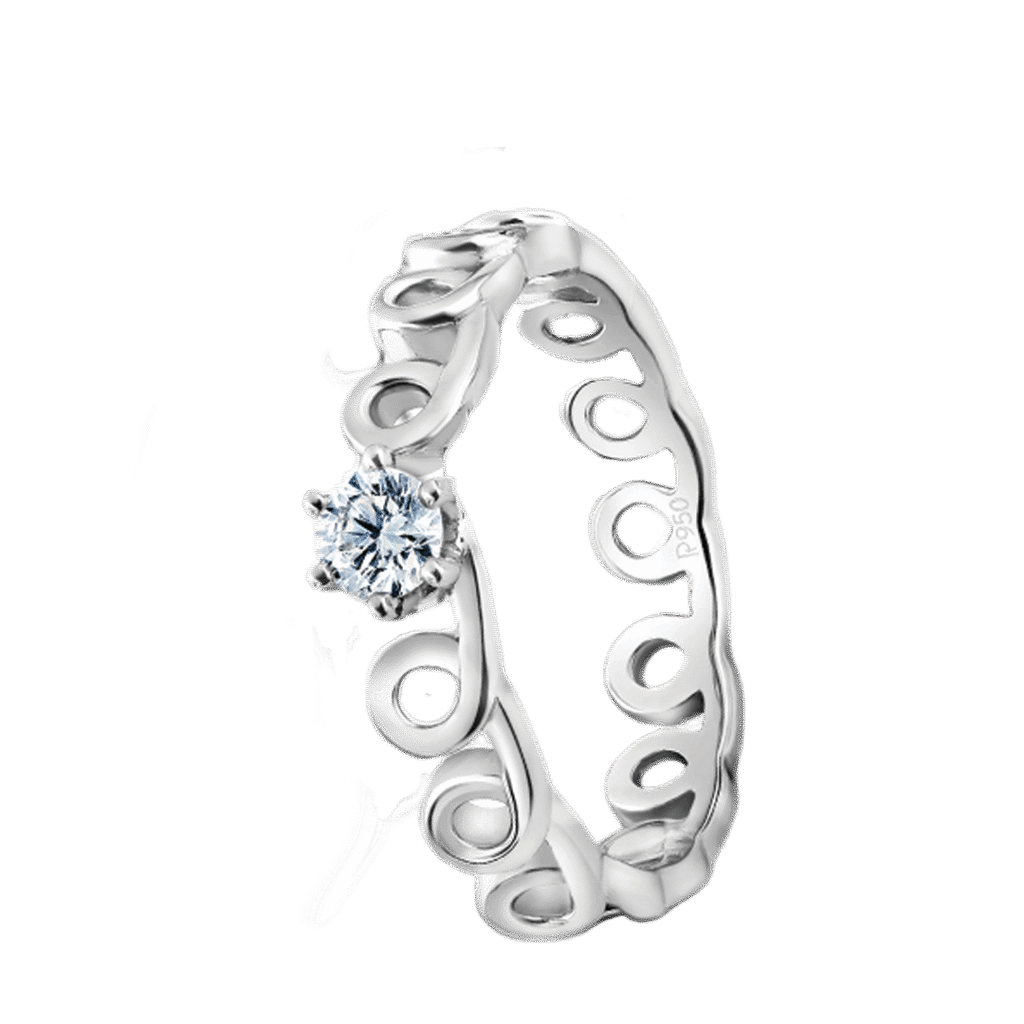
First, we will drive product innovation, especially in entry formats such as rings, bands, everyday wear jewellery, lighter formats and bi-metal designs that addresses both men and women. These formats help young consumers enter the category expanding the reach of platinum without diluting it’s premium and precious appeal.
Second, we will deepen our engagement with consumers through our brands Platinum Love Bands, Platinum Evara and Men of Platinum. Each of these addresses a specific consumer need, from couple commitment to women’s self-expression to men’s precious jewellery.
Third, we will strengthen retail expansion. Platinum is structurally advantaged in organised retail, and our network of more than 2,000 doors across metros and Tier 1, 2 and 3 markets gives us a strong base to build from.
Fourth, we will continue to invest in training, merchandising and visibility at the store level, because category conversion depends heavily on informed selling.
Finally, we will use omnichannel marketing and immersive digital experiences to make platinum more visible, relevant and easier to understand for our consumers.
4How important are design innovation and product differentiation in expanding platinum’s consumer base? Do you see platinum evolving from a niche category to a mainstream jewellery choice in India?
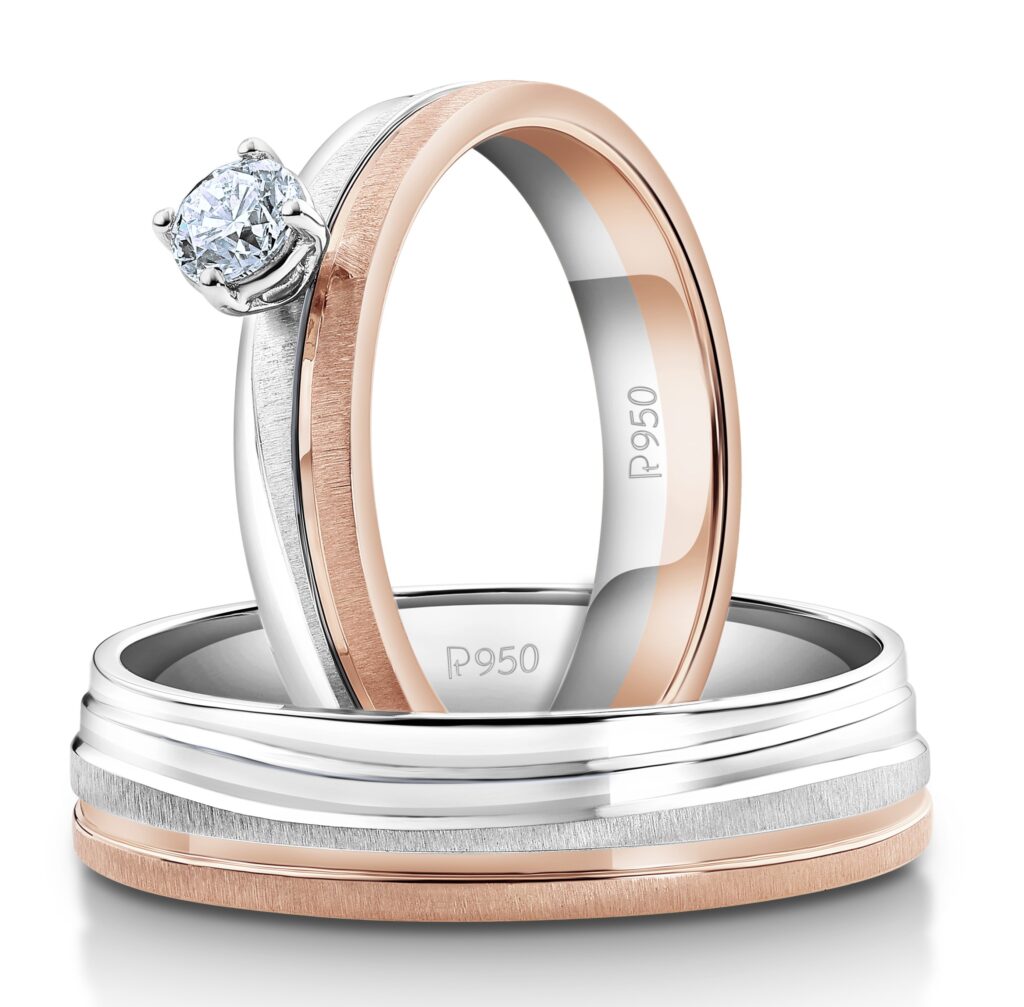
V.B.: Product and design innovation are central to category growth. In India, jewellery has a deep historical and cultural foundation. As a result, platinum cannot grow by simply replicating existing jewellery codes. It has to create its own design language. Younger consumers are looking for jewellery that feels personal, contemporary and distinct. This is where platinum has a strong opportunity.
Platinum Love Bands have worked well because they combine emotional depth with classic design. Platinum Evara has created a space for younger women seeking lighter, frequent-wear jewellery. Men of Platinum has shown how design-led precious jewellery can speak to identity, aspiration and personal style. Bi-metal designs are another important innovation because they offer differentiated design, preciousness and greater accessibility.
So, for platinum, design is not just an aesthetic lever. It is a recruitment driver. It helps consumers understand why platinum is worth choosing.
As we move forward, we see that platinum has moved into the mainstream in its own way. Its strength lies in being distinct. Platinum may not replace traditional jewellery choices, but it has made the market for precious jewellery itself bigger by offering consumers a compelling choice.
What role do retailers play in educating consumers about platinum’s unique qualities?
V.B.: Retailers hold the key to the last mile—the moment where the magic of the brand comes to life, or where the consumer walks away.
Given platinum’s design versatility, as well as the geographic and demographic scope of the market, platinum has plenty of head-room for growth in India. Hence, it is important for the consumer to have the right information at the right moment. Our retail partners have been an invaluable resource in educating the consumer and building desirability for platinum jewellery. This is why PGI invests deeply in retailer training, merchandising support, in-store visibility and category education. When store teams are confident, consumers become more confident. Good retail execution has helped to convert awareness into consideration, and consideration into purchase.
How is PGI leveraging digital marketing and social media to connect with younger consumers?
V.B.: Digital is no longer just a reach medium. It is an education, inspiration and conversion platform – a real-time bridge between brands, retailers and consumers.
Younger consumers discover jewellery very differently today. They are influenced by social storytelling, celebrity associations, e-commerce journeys and peer-led discovery. Our approach is to make platinum visible in the cultural spaces where these consumers already spend time.
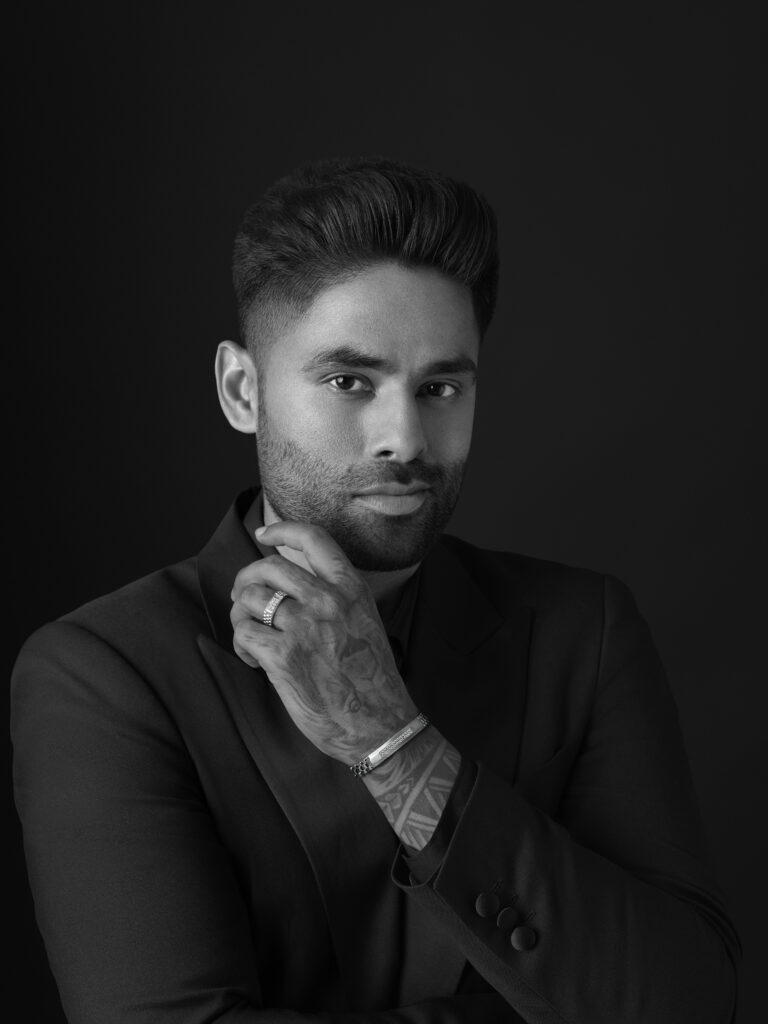
For Men of Platinum, for example, cricket-led collaborations with personalities such as KL Rahul, Surya Kumar Yadav and MS Dhoni have helped build aspiration and relevance in a format that feels natural to the audience. Across brands, we are also using creator-led content, targeted digital campaigns, platform-native storytelling and tools such as virtual try-ons to make platinum easier to discover.
What is especially encouraging is that digital is helping us widen the funnel beyond metros. In 2025, around 45 percent of online traffic across brands, came from Tier 2 and emerging cities. That tells us the current wave of platinum demand is coming from across India.
What lessons from successful platinum markets such as Japan or China can be applied to India?
V.B.: Every market is different, but there are important lessons.
Japan shows the power of building deep trust in platinum through quality, design consistency and emotional symbolism, particularly around commitment and long-term value. China shows how product innovation, retail scale, younger consumer recruitment and strong market education can help build momentum for the category.
For India, we need to sustain strong branded propositions, create clear consumer occasions, invest in retail education, keep innovating in design and make platinum meaningful in a way that reflects Indian aspirations.
The younger Indian consumer is globally exposed, digitally connected and very expressive, but also deeply value-conscious. That makes India a very exciting market for platinum, provided we keep the proposition sharp, modern and meaningful.
How is PGI helping retailers improve conversion rates and increase platinum sales at the store level?
V.B.: We work with retailers across the full conversion journey: visibility, assortment, training, merchandising and consumer activation.
One focus area has been making platinum more discoverable within the store, including expanding platinum’s presence within gold sections and enabling consumers to compare formats more easily. We also work with partners on co-created collections, bi-metal innovations, display solutions and sharper category communication.
Training is equally important. Retail staff need to explain platinum’s qualities with confidence and connect the product to the consumer’s occasion, whether it is a couple band, a men’s bracelet, or a women’s necklace.
Our retail programmes have shown measurable impact. The Platinum Buyer-Seller Meet 2025 connected 60 retailers with 14 manufacturers and delivered a double-digit increase in ordered volume. We have seen consistent growth across our Platinum Season of Love programmes executed over the years. These initiatives show that when the right product, training, visibility and activation come together, conversion improves.
Interview by Suresh Chotai